
Blog
What Is Powerflushing and When Is It Needed?
Why heating systems become contaminated
A central heating system is meant to circulate treated water through a controlled loop. Over time, that water can carry corrosion products, magnetite, limescale and installation debris around the pipework. Magnetite is the black, sludge-like material often found in older systems. It forms when metal components inside radiators, pipes and other parts corrode.
The contamination does not remain evenly distributed. It settles where water flow is slow, particularly in the lower sections of radiators, bends in pipework and areas around valves. This is why a system can appear to work normally while its heating performance gradually deteriorates.
The result is not simply dirty water. Sludge changes how the system transfers heat and makes the pump work harder to move water through restricted passages. That can create a chain of problems for the boiler, radiators, valves and controls.
What goes wrong when sludge is left in place
Radiators stop transferring heat properly
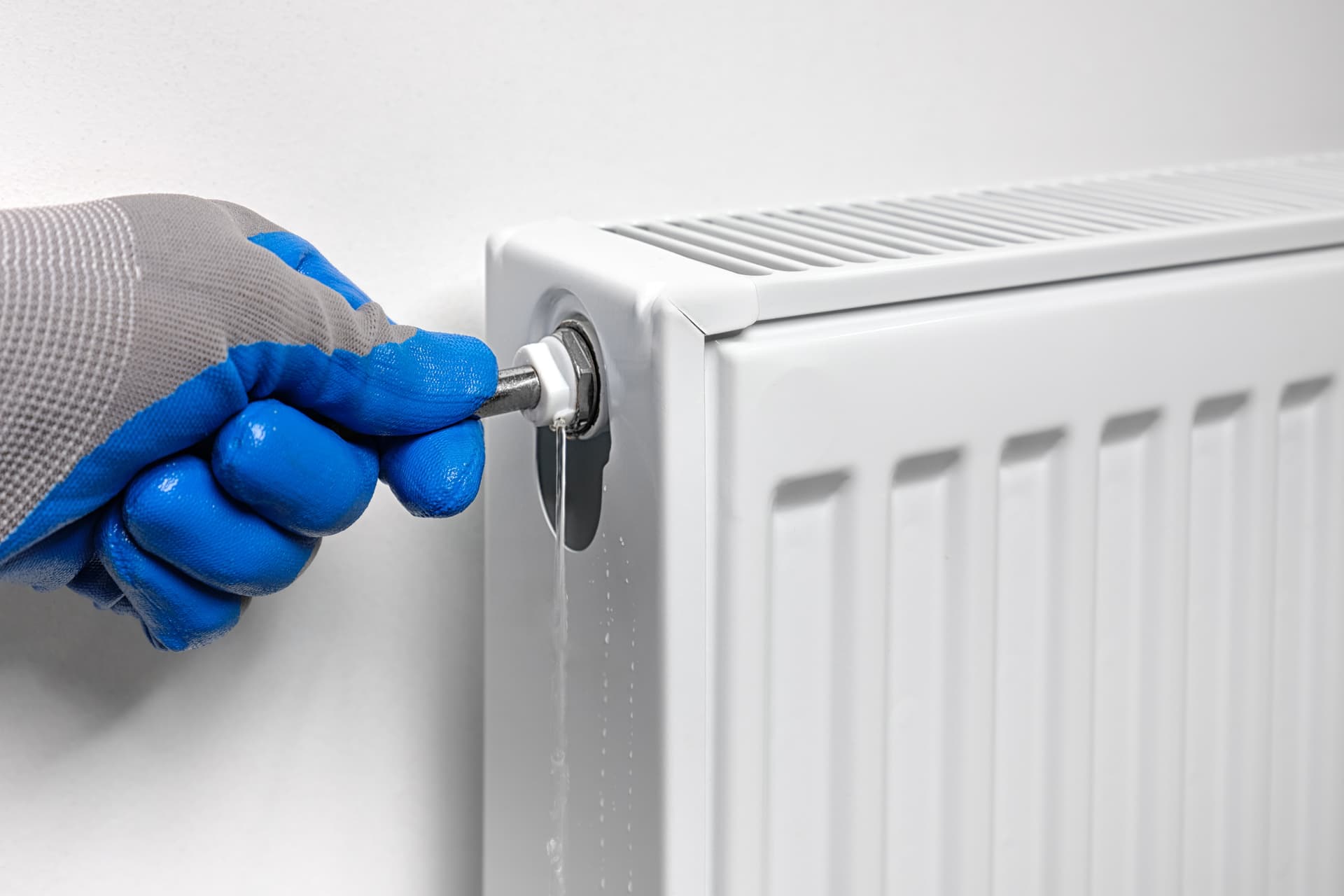
A radiator with cold areas, especially towards the bottom, may be partly filled with deposits rather than circulating water. The boiler can be firing correctly, yet rooms remain difficult to heat because the radiator is not releasing its full output.
This is often mistaken for a boiler fault. Replacing the boiler without addressing restricted circulation can leave the underlying issue untouched. The new appliance may still be asked to heat a system that cannot move water effectively.
The pump has to work against restriction
As sludge narrows the effective path through the system, the circulating pump faces greater resistance. You may notice humming, buzzing or other unusual operating noises. A pump working under strain can become less effective, making circulation even poorer.
Poor circulation can also cause temperature differences across the system. Some radiators may heat quickly while others lag behind, not because the boiler lacks capacity, but because water is taking the easiest route through the circuit.
Valves and heat exchangers can become affected
Debris carried through the pipework can collect in radiator valves, filters and narrow waterways inside heating components. A valve may become stiff or fail to control the radiator correctly. In a boiler, restricted waterways can reduce the efficiency of heat transfer and contribute to noisy operation or fault conditions.
That matters because modern heating systems depend on clean, consistent circulation. A blockage in a small passage can have a disproportionate effect on the whole installation.
Why normal draining is not the same as powerflushing
Opening a drain point removes some system water, but it does not necessarily dislodge deposits that have settled inside radiators and pipework. Refilling the system afterwards can leave much of the contamination where it was.
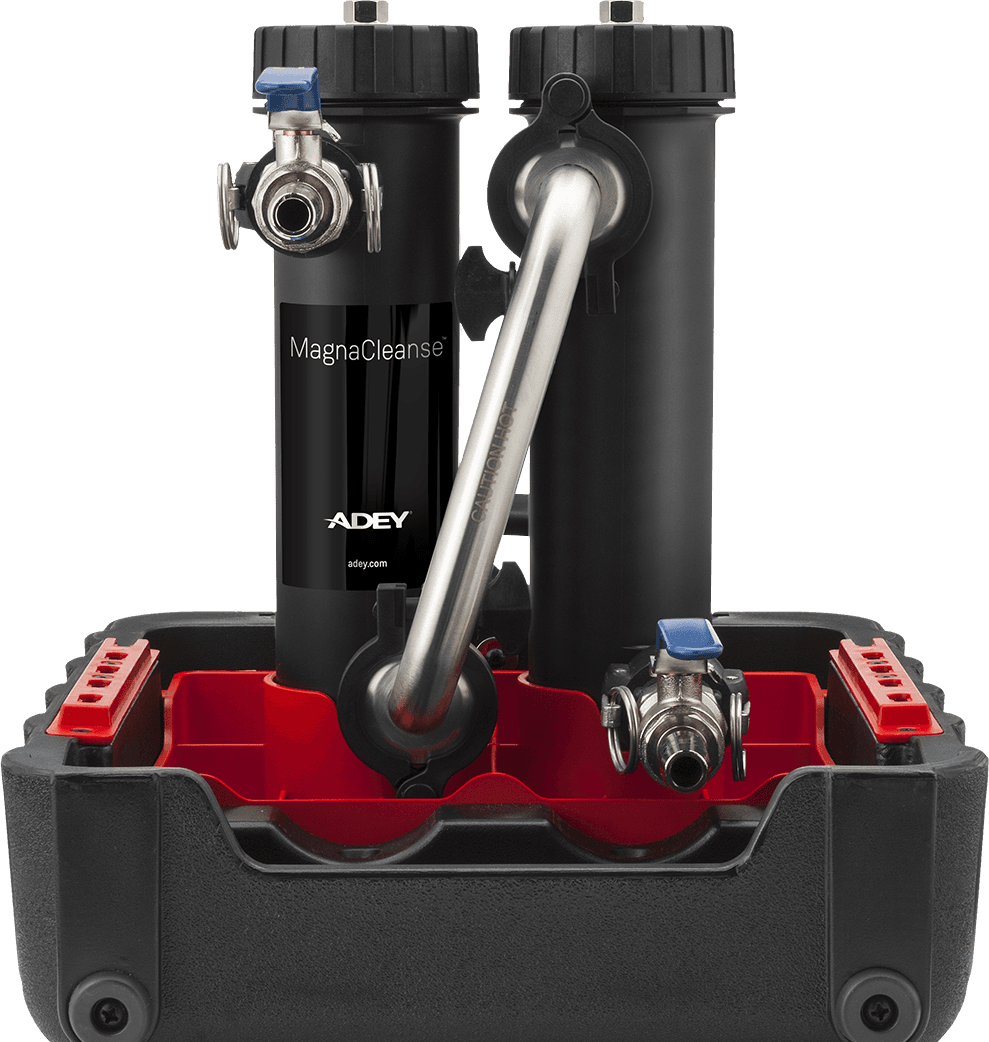
Powerflushing uses a dedicated pump to move cleaning fluid through the system at a controlled high flow rate. The direction and route of the flow can be managed to disturb deposits that ordinary circulation does not shift. The contaminated water is then discharged and replaced with clean water until the system is properly flushed.
The process is not simply about using stronger chemicals. The condition of the system, the type of contamination and the arrangement of the pipework all affect how the work should be approached. Some systems need careful preparation, while heavily contaminated or vulnerable systems may need a more cautious assessment before flushing is recommended.
The signs that deserve investigation
Powerflushing may be worth investigating when you notice:
- Cold spots on radiators that do not improve after bleeding
- Radiators heating unevenly across the property
- Persistent kettling, humming or gurgling from the heating system
- A pump that sounds strained or runs noisily
- Repeated blockages in filters or valves
- Heating that takes longer to circulate around the property
- A boiler that shows symptoms of restricted flow
None of these signs proves that powerflushing is the correct solution. Air, incorrect balancing, a failing pump, trapped debris or a control fault can produce similar symptoms. The important point is to identify the cause before choosing the remedy.
When powerflushing may be the wrong answer
A powerflush is not a cure for every heating problem. If the issue is caused by a damaged component, poor system design, incorrect controls or a leak, cleaning the system alone will not resolve it. An older system may also need a careful condition assessment before work begins, particularly if corrosion has already weakened radiators or pipework.
This is where diagnosis matters. We look at the symptoms alongside the system layout, component condition and circulation behaviour. The objective is not to recommend a flush automatically. It is to establish whether contamination is genuinely restricting performance and whether the system is suitable for the process.
Where powerflushing is appropriate, the system should be cleaned thoroughly and protected afterwards with suitable treatment. Without protection, fresh corrosion can begin again and the original problem may return. The right result depends on both removing existing contamination and reducing the conditions that created it.
Get the cause checked before replacing parts
If your radiators have persistent cold spots or your boiler and pump are becoming noisy, replacing individual components may only treat the visible symptom. A proper heating assessment can show whether the fault lies with sludge, circulation, controls or a failing part.
At Pegasus Plumbing & Heating, we support homeowners across Malvern, Stourport-on-Severn, Kidderminster, Bewdley, Worcester, Droitwich and Bromsgrove with heating diagnosis and remedial work. Explore our Heating Services or contact us to discuss what your system is doing and arrange advice based on the property rather than guesswork.
Other Articles