
Blog
Will a Heat Pump Work with My Existing Radiators?
Why radiator suitability is not a simple yes or no
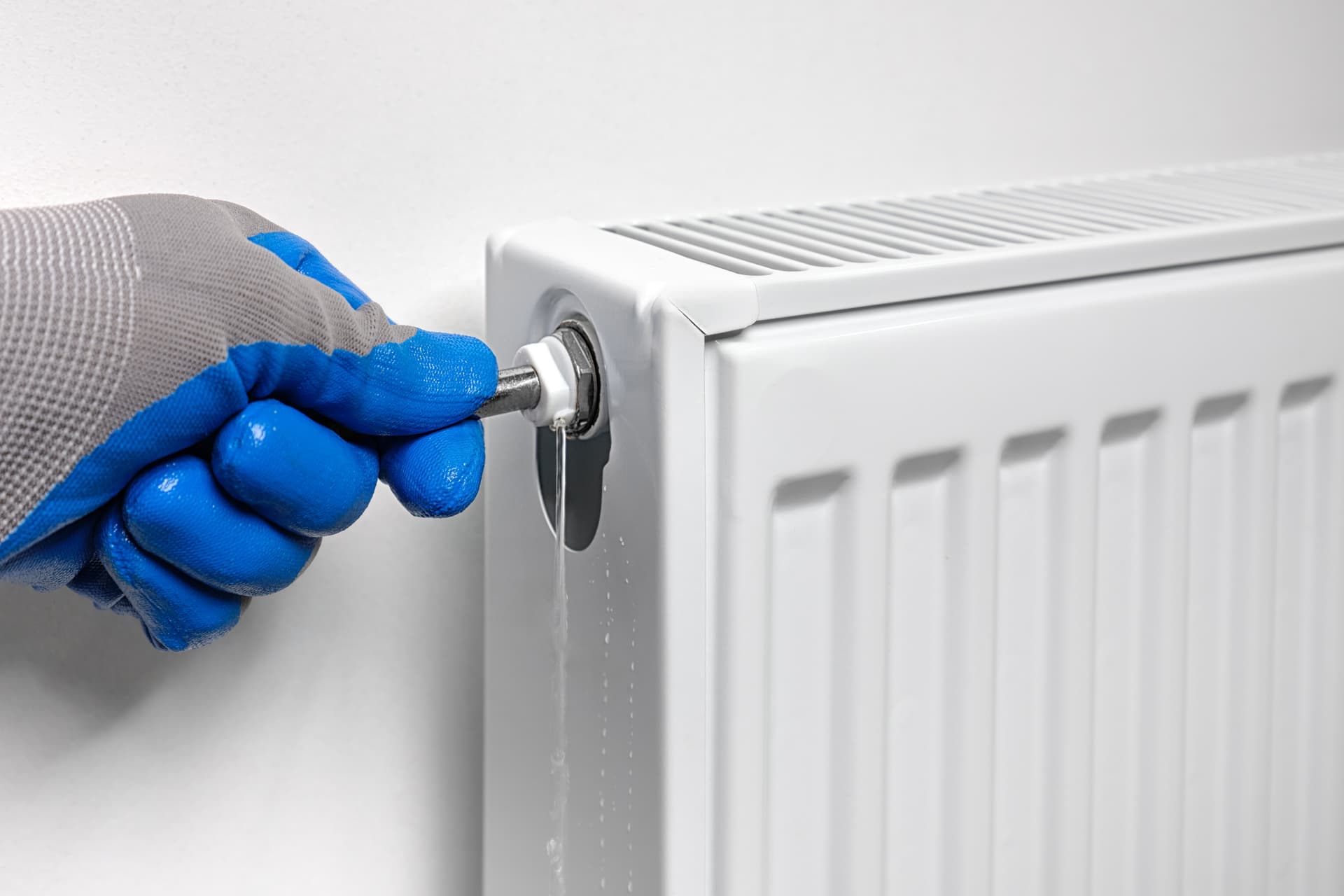
A radiator that keeps a room warm with a boiler may not deliver enough heat at the lower water temperatures used by a heat pump. That does not automatically mean every radiator needs replacing. It means the system has to be considered as a whole, room by room.
The key question is whether each radiator can provide enough heat for its room when the heating system is operating at a suitable temperature. A boiler can hide an undersized radiator by sending it hotter water. With a heat pump, relying on that same approach can reduce efficiency, so the design has to match the heat each room needs to the heat its radiator can give out.
What changes from room to room
A property does not lose heat evenly. An exposed corner room, a room with several outside walls or one with large windows may need more heat than a sheltered room of the same size. Insulation, draughts, ceiling height and the condition of the walls, windows and roof all affect the demand.
That is why simply counting radiators, or comparing their size with a neighbour’s, does not give a dependable answer. A small radiator might be adequate in a well-insulated room, while a larger one may struggle in a room with greater heat loss. An extension can also make the picture less straightforward if it has different insulation, glazing or ceiling height from the original house.
In Malvern, Worcester and Stourport-on-Severn, homes vary in age, construction and layout. A property with older solid walls may behave differently from one with newer insulated sections. What matters is the actual heat demand of the rooms, rather than the age or postcode of the house on its own.
The radiator itself matters, but so does its position
Radiator dimensions and type affect how much heat it can release. So do its location, the wall behind it and whether furniture or curtains obstruct the flow of warm air. A radiator partly covered by a sofa may not heat a room as effectively as its stated size suggests.
The existing heating system also matters. If some radiators warm unevenly or take much longer to heat than others, that can point to a problem with how water flows through the system rather than a radiator that is simply too small. Replacing emitters without understanding that distinction could leave the underlying problem unresolved.
The practical decision is often selective. Some radiators may have enough output, while others may need a larger or different emitter. In some properties, improving the room’s heat retention can reduce what the heating system needs to supply. The right combination depends on the calculations and the constraints of each room, including available wall space and pipework.
Why the planned water temperature changes the answer
A heat pump’s performance is connected to the temperature it needs to produce. If the radiators can keep the rooms comfortable with lower-temperature water, the system can operate in a way that supports efficiency. If they need hotter water to meet the heat demand, that affects the design and may point to changes to the emitters or the building fabric.
This is not something to judge from a brief test with the boiler turned up. A warm room only shows that the current system can heat it under those conditions. It does not establish whether the radiator can meet the room’s demand at the temperatures intended for a heat pump.
A sound assessment considers the room’s heat loss, the radiator’s output and the proposed system settings together. It should also account for how you use the home. For example, regularly heating only part of a property creates different control needs from maintaining a steady temperature throughout. The design needs to reflect the way the system will actually be used, not just the equipment list.
What to ask before deciding
When discussing a heat pump, ask how the suitability of each room’s radiators has been established. Find out whether the design identifies which radiators can remain and which, if any, need changing. Ask how the proposed operating temperature relates to the room-by-room heat demand, and whether any assumptions about insulation, room use or future alterations affect the recommendation.
These questions help you understand whether the proposal is based on your property or on a general rule. They also make it easier to compare options fairly, because two systems cannot be meaningfully compared if one assumes radiator upgrades and the other does not.
You can note which rooms are difficult to heat and whether radiators have obvious obstructions, but do not alter heating equipment or pipework yourself. The important judgement is whether each radiator can provide enough heat for its room at the planned system temperature, which needs proper assessment.
A property-specific answer
Existing radiators can sometimes be retained, sometimes need selective changes, and sometimes require a broader rethink of how heat is delivered. The answer depends on the performance required in each room, not on a blanket rule that heat pumps always need new radiators or can always use the old ones.
Here at Pegasus Plumbing & Heating, we help homeowners across Malvern and the surrounding area consider heat pumps and renewable heating. If you want to understand what the options involve, read our Heat Pumps & Renewables service overview and get in touch to discuss your property.
Other Articles